How to Choose the Best Water Filtration System for Your Home
DR
Understanding Your Water Quality
Before selecting a water filtration system, it's essential to understand the quality of your home's water supply. Conducting a water test can reveal the presence of contaminants such as chlorine, lead, or bacteria. These tests can be purchased online or conducted by professionals. Knowing the specific impurities in your water will guide you in choosing an appropriate filtration system.

Types of Water Filtration Systems
Activated Carbon Filters
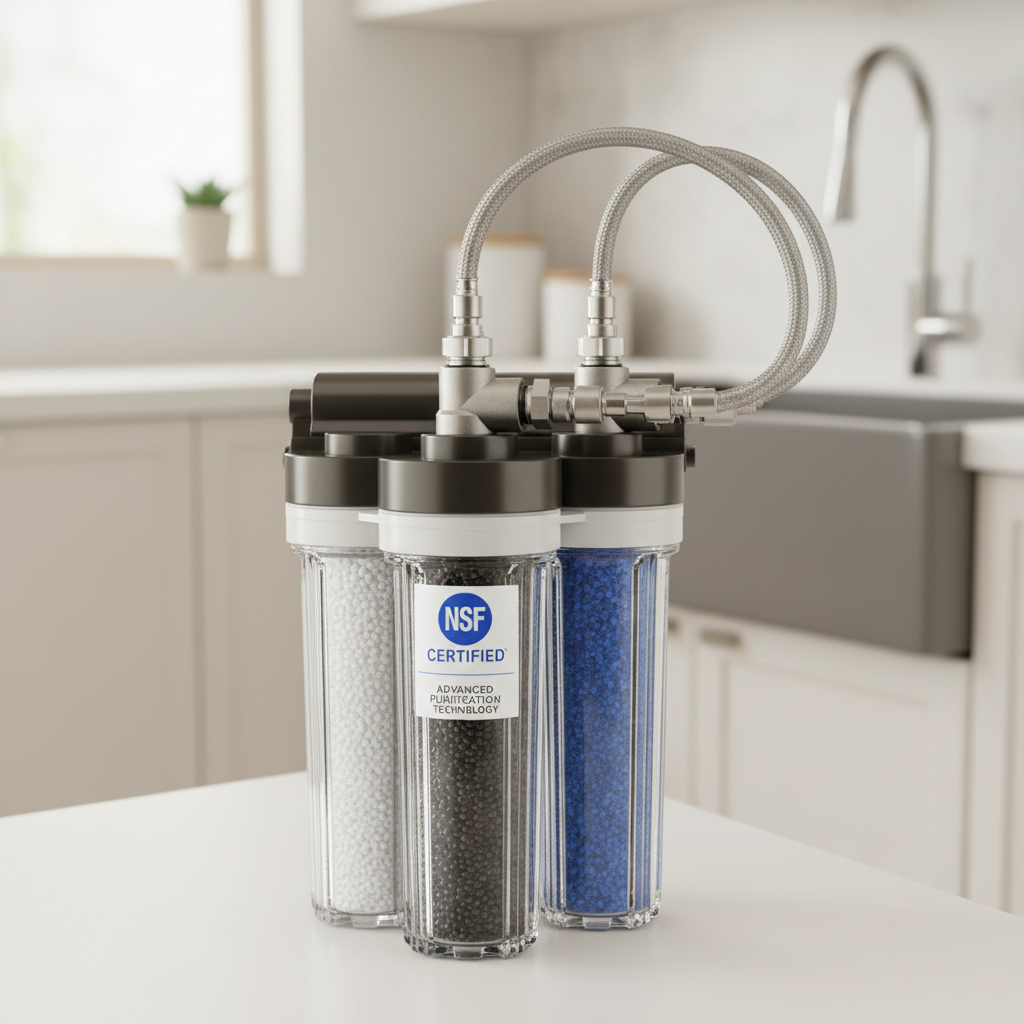
Activated carbon filters are popular for their ability to remove chlorine, sediment, and volatile organic compounds (VOCs). They are ideal for improving taste and odor. These filters are often found in pitcher systems and under-sink units. If your primary concern is taste and basic purification, this might be the right choice for you.
Reverse Osmosis Systems
Reverse osmosis systems are highly effective in removing a wide range of contaminants, including heavy metals, fluoride, and nitrates. These systems work by forcing water through a semi-permeable membrane, ensuring thorough purification. However, they can be more expensive and require professional installation.
Considerations for System Selection
Budget and Maintenance
When choosing a water filtration system, consider both the initial cost and ongoing maintenance expenses. Some systems require regular filter changes or professional servicing. Establishing a budget and understanding maintenance requirements will help you make a sustainable choice.
Installation and Space Requirements
Evaluate the space available in your home for installation. Some systems, like countertop filters, require minimal space, while others, such as whole-house systems, may need significant room. Ensure the system fits well in your designated area and matches your household's needs.

Environmental Impact
Consider the environmental impact of your chosen system. Some filtration methods, like reverse osmosis, can produce wastewater, while others may involve disposable filters. Opt for systems with recyclable or biodegradable components to reduce your ecological footprint.
Reading Reviews and Seeking Professional Advice
Researching reviews and seeking recommendations from friends or professionals can provide valuable insights into the performance and reliability of various systems. Personal experiences from others can highlight potential issues and advantages you might not have considered.

Conclusion
Choosing the best water filtration system for your home involves understanding your water quality, considering different system types, and evaluating your budget and space. By taking these factors into account, you can make an informed decision that ensures clean, safe, and great-tasting water for you and your family.